


.png)
Checking In: Canal House, a Member of Small Luxury Hotels of the World

Updated: Mar 19
AMSTERDAM
Canal House, a Member of Small Luxury Hotels of the World, is composed of three adjoining 17th-century merchant houses that stretch along the Keizersgracht, in the very heart of the Jordaan, Amsterdam’s cultural and artistic centre. Here, narrow timbered staircases, triple-width gardens, and intricate gables speak of a city built on ingenuity and international trade. We checked into this eccentric, design-lovers' dream for a two-night boutique hotel stay in the heart of the city.
We arrived from Hong Kong via British Airways' exclusive Club Suite, then took a four-hour train from London St. Pancras to Amsterdam Centraal. For those travelling from the UK, British Airways also offers direct flights from London to Amsterdam.


The History of Canal House
Canal House’s story begins in the 1600s, the Dutch Golden Age, when Amsterdam’s merchants were accumulating fortunes through trade that spanned continents. The houses at numbers 148–152 Keizersgracht were built as a testament to wealth, with high ceilings, large windows, and intricate façades displaying scrollwork and carving that still inspire awe today. The houses were narrow — no more than nine metres wide — but their triple-width gardens and imposing Great Room made a statement of grandeur unusual for Amsterdam.
Inside, the clever Dutch maximised space with pulleys for moving goods and furniture to upper floors, a practice that Canal House retains as a nod to its mercantile past. Legend has it that one wing of the building was once home to the mistress of a previous owner, explaining the building’s horseshoe shape — a charming, almost scandalous footnote that underscores the city’s pragmatic creativity.
In the 1950s, an eccentric American hotelier converted the houses into a hotel, filling the walls with Dutch art, knick-knacks, and a personal sense of theatricality. Many of these elements were lovingly retained during the extensive renovations undertaken by the current owners, Peter and Jessica Frankopan of British-headquartered Curious Hotels, who spent three years restoring the houses from the ground up, blending contemporary design with antique elements and reflecting Amsterdam’s past while embracing the present.

Setting the Stage
Approaching Canal House from the cobbled street, one is struck by its understated grandeur. The façade is elegant, dark, and inviting, hinting at the drama inside without shouting. Check-in is handled with a discreet theatricality: Arnold, the Divisions Manager, greets each guest with warmth and encyclopaedic knowledge of the building’s quirks, while General Manager Wilko ensures that even the smallest details — room preferences, dietary needs, or a last-minute bouquet of tulips — are addressed with effortless professionalism.
The lobby is intimate but expansive, with rich velvet sofas, copper accents, and contemporary Dutch artworks that nod to the nation’s enduring creativity. Here, history and modernity coexist, from the carefully preserved timber beams to the subtle play of mirrors that expand the space and bounce light across the polished wooden floors.



Images: Adam Thompson/CSP Times
The Best Room: A Symphony of Space, Light, and Detail
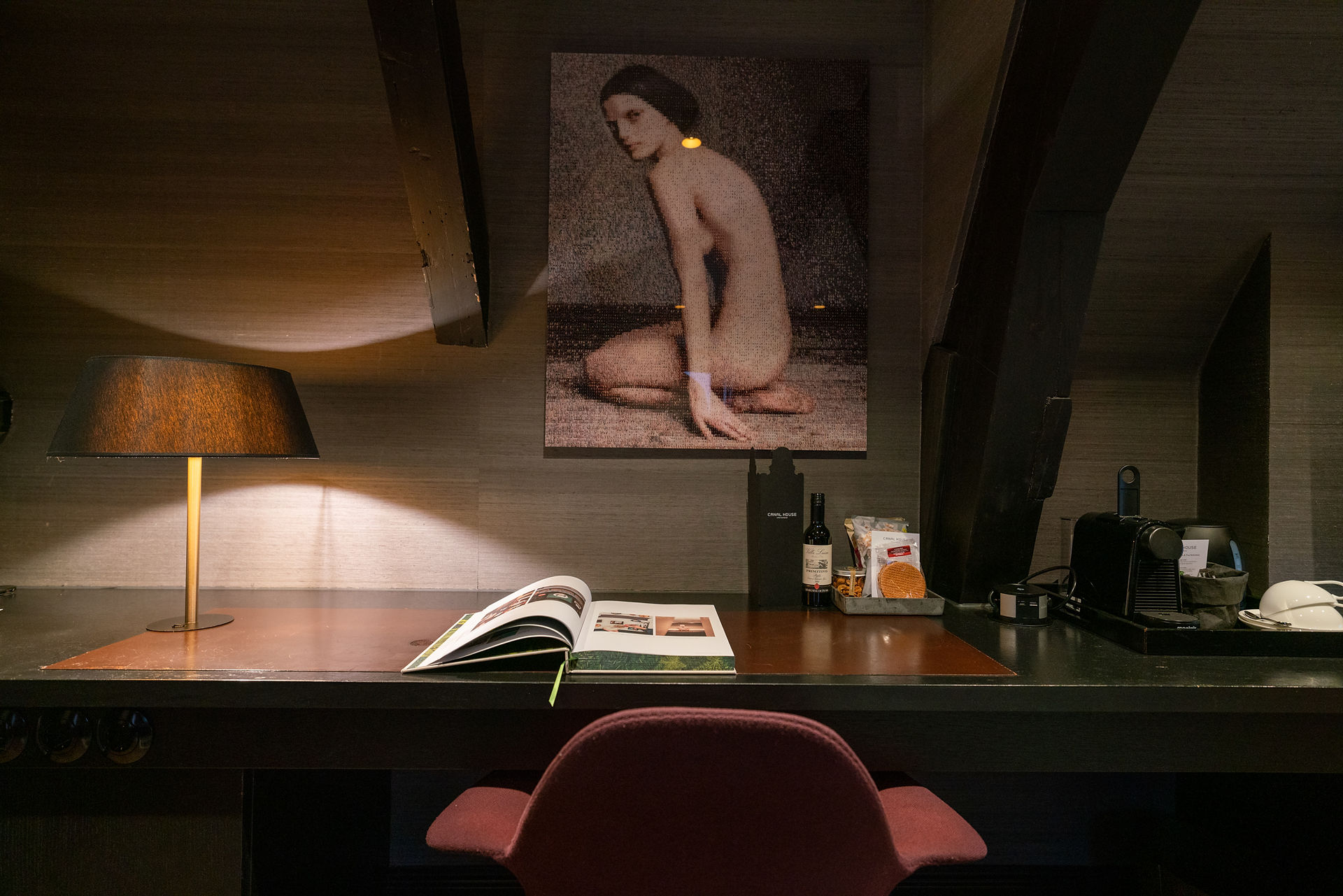
There are just 23 bedrooms inside the hotel. Rooms are simply named based on their categories – for example, God Rooms, Better Rooms, Great Rooms, Exceptional Rooms, Outstanding Rooms and the Best Room. Our stay was in the highest category, the one and only Best Room, a 60-square-metre suite that exemplifies the hotel’s ethos of understated luxury. Entering, one is immediately aware of the interplay between historic architecture and contemporary design: exposed beams meet silk wallpaper; plush velvet curtains drape over windows that frame the Keizersgracht.
The sitting area is generous, with a deep armchair positioned perfectly for watching boats glide along the canal. There is a desk for work, though one suspects it will see little use; the temptation is simply to recline and soak in the atmosphere. The bedroom is a study in comfort: a king-sized bed with bespoke linens, ambient lighting, and artwork that reflects the city’s creative spirit.
The bathroom is equally luxurious: a deep freestanding tub, rainfall shower, and Bisazza mosaics that glint like tiny jewels. Every detail has been considered, from Green & Spring toiletries to discreet storage for a traveller’s essentials.
Interiors: Luxury Meets Dutch Design
The design of Canal House is an intimate dialogue between centuries. Owner Jessica Frankopan collaborated with Marcel Wanders and the agency Concrete to create interiors that celebrate Dutch creativity, past and present. There is a deliberate gothic playfulness, with dark purples, deep blacks, and sumptuous coppers, softened by mirrored surfaces and strategic lighting that enhances the natural daylight streaming through canal-facing windows.
Velvet, silk, and rich wood abound, while antique furniture sits comfortably alongside modern pieces from the Droog movement. The effect is never static or museum-like; instead, it is a living space, layered and textured, where every piece has a story, and every room feels like a personal salon rather than a template.
The Great Room was historically designed for lavish entertainments; it now serves as a social hub for afternoon tea, evening drinks, or meetings. And the garden — a triple-width marvel — extends the interiors into a serene outdoor sanctuary, a rarity in Amsterdam. White hydrangeas, trickling water features, and all-weather sofas create a calm oasis.

Dining and Drinks
Canal House’s culinary offerings mirror its design philosophy: luxurious yet approachable, contemporary yet respectful of tradition. Breakfast, served daily, is a feast of locally sourced ingredients — artisan breads, Dutch cheeses, fresh fruits, and house-made pastries. For those who prefer bed service, it is delivered with impeccable timing and presentation.
The bar is a chic, stylish space for afternoon cocktails or evening toasts, while the Canal House G&T has become a city-wide favourite, combining precision mixology with local botanicals. Luncheons or informal dinners can be enjoyed in the Great Room, where seasonal dishes are elevated by impeccable service, understated elegance, and the constant presence of Amsterdam’s historic charm just outside the windows.

Verdict
Set along one of Amsterdam’s quieter canals, Canal House feels less like a conventional hotel and more like slipping into a particularly stylish private residence. History is present, but never heavy-handed. Dark, jewel-toned interiors and contemporary furnishings bring a modern sensibility to the centuries-old bones of the property, creating spaces that feel intimate rather than grand. It’s easy to imagine the many lives the house has lived — from prosperous merchant home to discreet retreat for modern travellers passing through the Dutch capital.
What makes Canal House particularly special is its quiet sense of place. Step outside and the gentle rhythm of Amsterdam resumes: bicycles gliding over canal bridges, boats drifting past tall gabled houses, the soft hum of a city that seems to move at its own unhurried pace.
Disclaimer: The writer was invited by Small Luxury Hotels of the World to experience the property. All observations, assessments, and opinions expressed are based on the writer’s independent experience and professional judgement.


Comments