


.png)
Lotus Ponds, Omakase & Vintage Vespas at Four Seasons The Nam Hai, Hoi An, Vietnam – Hotel Review

HOI AN
There is a moment, somewhere between the airport and the resort, when Vietnam's central coast begins to rearrange your nervous system. The road from Da Nang skims the edge of the South China Sea — the Vietnamese call it the Đông Biển, the East Sea — and the light arrives differently here than it does almost anywhere else. It is wide and golden and older than the traffic. By the time the car turns off the coastal highway and glides through the gates of Four Seasons Resort The Nam Hai, something has already begun to loosen. That, it turns out, is precisely the point.
The Nam Hai — the name translates simply as "South Sea" — is for the serious traveller, a proposition: that the right landscape, the right design philosophy, and the right quality of attention can remake a person, at least temporarily, from the inside out. After four days embedded within its 86 acres of palm-shaded gardens, cascading pools and lotus-fringed spa pavilions, the evidence in favour of that proposition is overwhelming.

First Impressions & Arrival
The pickup from Da Nang International Airport is seamless in the way that only the finest hotels manage — the driver is waiting before you have cleared customs, the car is cool and quiet, and within thirty minutes the hum of the city has given way to the elemental rhythm of waves and wind. The check-in is personal. Rather than being funnelled to a desk, guests are guided to a seating area and offered cool towels and a refreshing welcome drink.

Location
The Nam Hai occupies a privileged stretch of Ha My Beach, a largely undeveloped crescent of pale sand roughly seven kilometres north of Hoi An's Ancient Town. Geographically, it sits in what travel writers have taken to calling the Golden Mile of central Vietnam — a coastal corridor of exceptional natural beauty, positioned within easy reach of not one but three UNESCO World Heritage Sites.
Hoi An itself, the lantern-lit trading port that became a place of pilgrimage for travellers long before mass tourism discovered Southeast Asia, is a fifteen-minute drive south. The ancient Hindu temple complex of My Son lies further inland, and the majestic Imperial City of Hue — Vietnam's former royal capital, with its citadels, pagodas and the extraordinary royal tombs that inspired the resort's architecture — sits around two hours north along the coast. The Cham Islands, a marine reserve of crystal-clear shallows and extraordinary diving, are accessible by boat in roughly an hour. The resort operates a complimentary shuttle service into Hoi An throughout the day, dropping guests at the edge of the Ancient Town.
The immediate setting, however, is the real asset. The beach — nearly a kilometre of it — remains mercifully uncommercialised. Fishing boats drift across the horizon. The prevailing wind is constant and warm. In May, the light is extraordinary: bright and unmediated, with the kind of clarity that makes a photographer of everyone. Sunrise from the shoreline, looking south toward the cape, should not be missed.

Architecture & Design
Few luxury resorts justify their architectural premise as completely as The Nam Hai. Conceived by Paris-based architect Reda Amalou of AW2 and originally interior-designed in part by the late Jaya Ibrahim — one of Asia's most celebrated designers — the resort draws its guiding logic from two sources of profound local significance: the principles of phong thuy (the Vietnamese expression of feng shui), and the visual grammar of the Tu Duc royal tombs of Hue, those extraordinary imperial monuments where wind, water and stone have been in conversation for centuries.
The result is a campus of remarkable formal coherence. Buildings are low-slung and horizontal, their broad, pitched roofs of flat tile creating a rhythm of shelter and sky. The grounds are arranged so that water is always present — in the three cascading pools, in the lotus ponds of the spa, in the sound of the sea — because in feng shui philosophy, water is the conductor of energy, the medium through which life circulates. Even the orientation of the structures has been calculated: rooms, pavilions and pathways align with the cardinal directions according to ancient principles, creating, as the architects intended, a quiet sense of being held and balanced by the landscape itself.
The most recent chapter in this design story is the comprehensive refurbishment of the resort's 60 one-bedroom and family villas, completed in phases through 2025 and carried out by Hirsch Bedner Associates (HBA) of Singapore. The brief was precise: to introduce contemporary refinements while preserving the essential character that makes these villas so distinctive. They have succeeded with considerable skill. The villa's structural bones — large timber frames, pitched roofs, the elevated sleeping platform with its gossamer mosquito net creating that distinctive lantern effect at night — remain intact. What has changed is the quality and warmth of the interior: bespoke wood furniture in earthy tones, floor-to-ceiling windows that flood the space with morning light, and an extended bathroom with what can only be described as a genuinely spa-like bathtub.
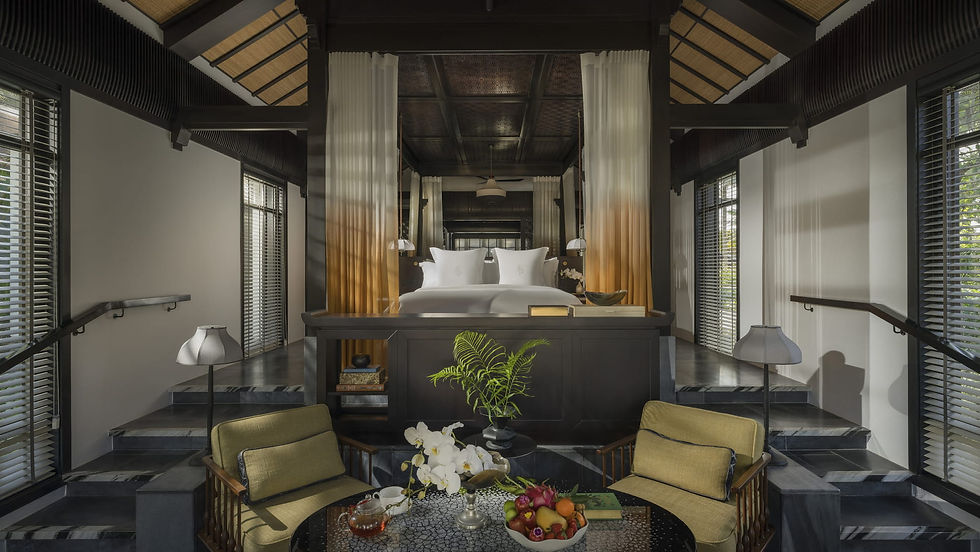
The 40 pool villas, offered in configurations from one to five bedrooms, represent the upper register of the accommodation hierarchy. Beachfront pool villas look directly onto the East Sea; hillside versions offer privacy and elevated garden views. For groups or families, the multi-bedroom villas are extraordinary — private compounds, essentially, with full pools and living arrangements that remove any pressure to share space beyond what is wanted.
Facilities & Recreation
The three pools are not merely swimming pools. They are a landscape proposition. Arranged in a cascading series from the main pavilion down to the beach, they descend in levels — a family pool, a lap pool, and an adults-only quiet pool closest to the shore — flanked by rows of palms that frame the horizon and prevent the East Sea from ever quite disappearing from view. At any hour, the light plays differently across the water. At sunrise, the surface is mirror-still and rose-gold. By midday, the reflections are sharp and the water is the precise shade of blue that no pool outside the tropics ever quite achieves. At dusk, the palms cast long shadows and the sea turns amber. Complimentary kayaks, bodyboards and snorkelling equipment are available for those who wish to engage with the sea more actively.
The resort is equipped with a fully serviced gymnasium, a yoga deck, a sauna and steam facilities — and yoga and meditation sessions are offered daily for guests who prefer a more structured route to stillness. Morning sun salutations on the Thanh Tinh Pavilion, surrounded by birdsong and the distant sound of waves, are a centring way to begin the day. The resort also offers a programme of complimentary cultural activities on the final morning: conical hat embroidery workshops and candlelight trataka meditation sessions in the pavilion for those who wish to engage with Vietnamese craft and contemplative traditions before departure.
For younger guests, the Chuon Chuon Kids Club offers a fully supervised programme with its own outdoor wading pool and sandbox — the name means "dragonfly" in Vietnamese, and the facility is thoughtfully designed to engage children with local culture as well as with the expected range of pool activities and games. Beach bicycles for children are available, and families report that the resort's vast, safe grounds make it an unusually relaxed setting for travelling with young people.

Wellness: The Heart of the Earth Spa
Inspired by Love Letter to the Earth — the Thich Nhat Hanh text found in every villa — the Heart of the Earth Spa is built around the Zen master's three teachings: stability, creativity and non-judgement. The spa's entire treatment architecture is organised around these pillars, each offering a different mode of physical and emotional engagement.
The physical setting is extraordinary. Eight treatment pavilions appear to float on a lotus-filled lagoon — or, more precisely, they are suspended over it on low platforms, so that the water is always present beneath and around the room, the lotus flowers drifting at arm's reach through the open window. The effect is less spa-like than temple-like: hushed, purposeful, oriented toward something beyond mere relaxation.
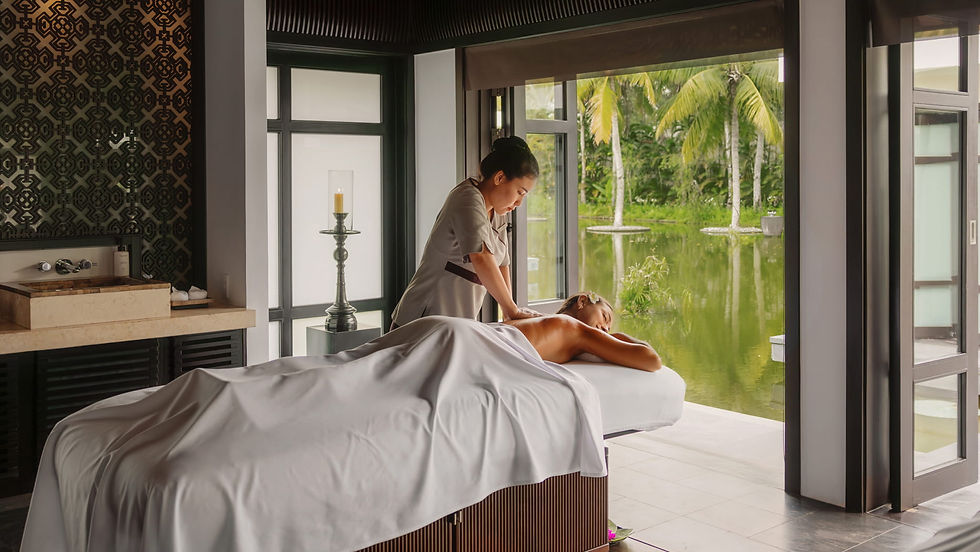
The signature treatment is the Nam Hai Earth Song, a two-and-a-half-hour ritual that represents the spa's fullest expression of its philosophy. It begins with a smudging ceremony using sustainable Hoi An agarwood — a sacred resin burned for centuries in Vietnamese ceremonial contexts, its fragrance warm and slightly sweet, like incense from a more ancient world. This is followed by a Heart of the Earth sound and breath ritual; a Vietnamese body scrub and herbal bath using ingredients harvested from the resort's own on-site farm; a deep pressure massage incorporating gem-tipped tuning forks calibrated to balance the body's meridians; and finally, a fully immersive sound bath with crystal singing bowls tuned to 432 Hz — the frequency, the spa's practitioners explain, that resonates with the Earth's natural electromagnetic field.
The daily Goodnight Kiss to the Earth ceremony, offered each evening between 5:30 and 5:45pm, is a shorter ritual — fifteen minutes of crystal bowl resonance, collective breath and the symbolic floating of a handwritten love letter on the spa lagoon — that requires no booking and costs nothing.

Dining
Café Nam Hai is the resort's all-day dining anchor, serving breakfast and dinner in a setting of considerable warmth and generosity. The breakfast service, offered from 7:00am until 10:00am, is outstanding — a wide live cooking station, an abundance of local Vietnamese breakfast dishes alongside Western options, fresh tropical fruit of every variety, Vietnamese coffee prepared properly and with care.
Lá Sen is where the resort's Vietnamese culinary identity finds its most complete expression. Set partly beachside, with both indoor and outdoor seating, the restaurant offers a contemporary Vietnamese menu that pays genuine respect to the richness and complexity of central Vietnamese cooking.
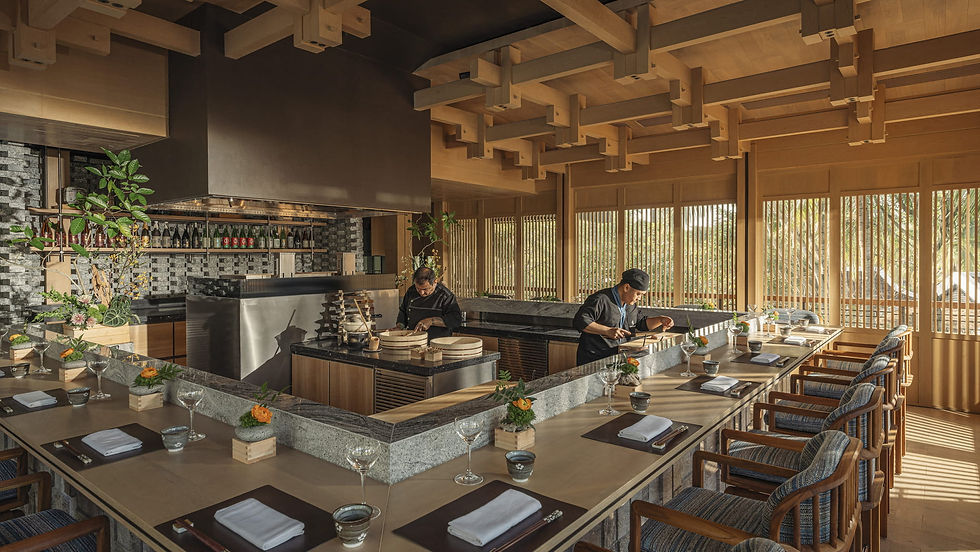
NAYUU — the name a compound of the Japanese words for "dream" and "love" — is the resort's most ambitious dining proposition, and one of the most significant restaurants in central Vietnam. Chef Alex Moranda curates a refined Japanese omakase experience centred on ingredients of exceptional provenance: Kagoshima A5 Wagyu, and seafood flown directly from Tokyo's Toyosu Fish Market, the successor to Tsukiji and the world's premier market for premium Japanese fish.
Sol & Sao is the resort's newest addition and a genuine delight: a beachfront bar and lounge that transforms across the course of the day in a way that mirrors the movement of the sun across the Vietnamese coastal sky. By morning and afternoon, it offers Vietnamese pour-over coffee in the Mod Bar style, elevated gelato and coconut-infused drinks in an atmosphere of sunken lounge seating shaded by timber ceilings and lush plantings. As the sun descends, the mood shifts — the lighting changes, the music softens, and the menu pivots to rare sherries, expertly made cane-spirit cocktails and Vietnamese tapas. The Sherry Rituals experience — a curated tasting of carefully selected sherries paired with small plates, offered in the early evening — is an unusually sophisticated offering for a beachfront bar and worth the time of any guest with an interest in wine.
The Nam Hai Cooking Academy, housed in a fully equipped dedicated facility with the resort's own herb, vegetable and fruit farm attached, offers guests the opportunity to learn the techniques of authentic Vietnamese cuisine from the hotel's skilled teaching chefs.

Cultural Immersion
What distinguishes The Nam Hai from many resort properties of comparable luxury is the depth of its engagement with the culture and landscape that surrounds it.
The Foodie Vespa Adventure is the finest example of this ethos. Guests meet in the lobby as the sun begins to decline, board vintage Vespas and ride pillion with local English-speaking guides through Hoi An's back streets and alleys — not the tourist-facing lanes of the Ancient Town, but the working neighbourhoods where food stalls have operated for generations without interruption. The adventure begins with a cocktail as the sun sets over the dunes, and proceeds through a series of pit stops at local restaurants, sampling the dishes that define the region's culinary identity: bánh xèo, the crispy rice-flour pancakes that are almost impossible to eat gracefully but very easy to eat repeatedly; the famous White Rose dumplings, a Hoi An speciality with an almost translucent rice-paper skin, found nowhere else in quite the same form; and whatever the guides' encyclopaedic knowledge of local suppliers turns up on any given evening.
The Four Seasons Signature Experience is a longer, more structured exploration of Hoi An's food culture and sustainable agricultural practices, departing at 10:00am and running until mid-afternoon. Drawing on traditional techniques, it takes guests on a tofu-making class, Indigenous Vietnamese artwork gallery visit, and fish sauce workshop.

The Verdict
Four Seasons Resort The Nam Hai will not suit every traveller. Those seeking nightlife, urban energy or the anonymity of a large-scale resort property will find it too quiet, too spacious, too given over to the pleasures of stillness. For those who travel to understand a place as much as to enjoy it — who want the luxury of time as much as the luxury of things — it is precisely right.
The central coast of Vietnam is one of the world's last great under-discovered landscapes: historically rich, naturally spectacular, gastronomically extraordinary, and still, for the most part, genuinely itself. The Nam Hai is the finest available perch from which to observe and experience it.
Essentials
Address: Four Seasons The Nam Hai, Block Ha My Dong B, Dien Ban Dong, Ward, Điện Bàn Đông, Đà Nẵng 50000, Vietnam
Getting there: Da Nang International Airport (DAD) is approximately 30 minutes by road, with direct international connections and domestic flights from Hanoi, Ho Chi Minh City and Hue. Direct flights operate from several major Asian hubs including Hong Kong.
Best time to visit: February to August offers the most reliable beach weather on the central coast. The resort operates year-round, but the dry season (roughly February–August) is optimal for beach activities.
Rates: Prices vary by season and villa category. Contact the resort directly or via Four Seasons' website for current rates.
Instagram: @fsnamhai
Full Hotel Tour Video:
What to Pack



From left to right: Samara Natural Resortwear Lyra Dress; Samara Natural Resortwear Malika Short Dress; Samara Natural Resortwear Gantari Set Black
From left to right: Samara Natural Resortwear Short Aswin Shirt; Samara Natural Resortwear Long Aswin Pants


From left to right: Retro Chic Italy Vatican Treasures Watch White; Retro Chic Italy Coconut Glow Ring


From left to right: Berawa Luxe Biride Natural Dress; Berawa Luxe Marcy Top Florelle; Berawa Luxe Lauren Skirt Off-White Polka-Dot

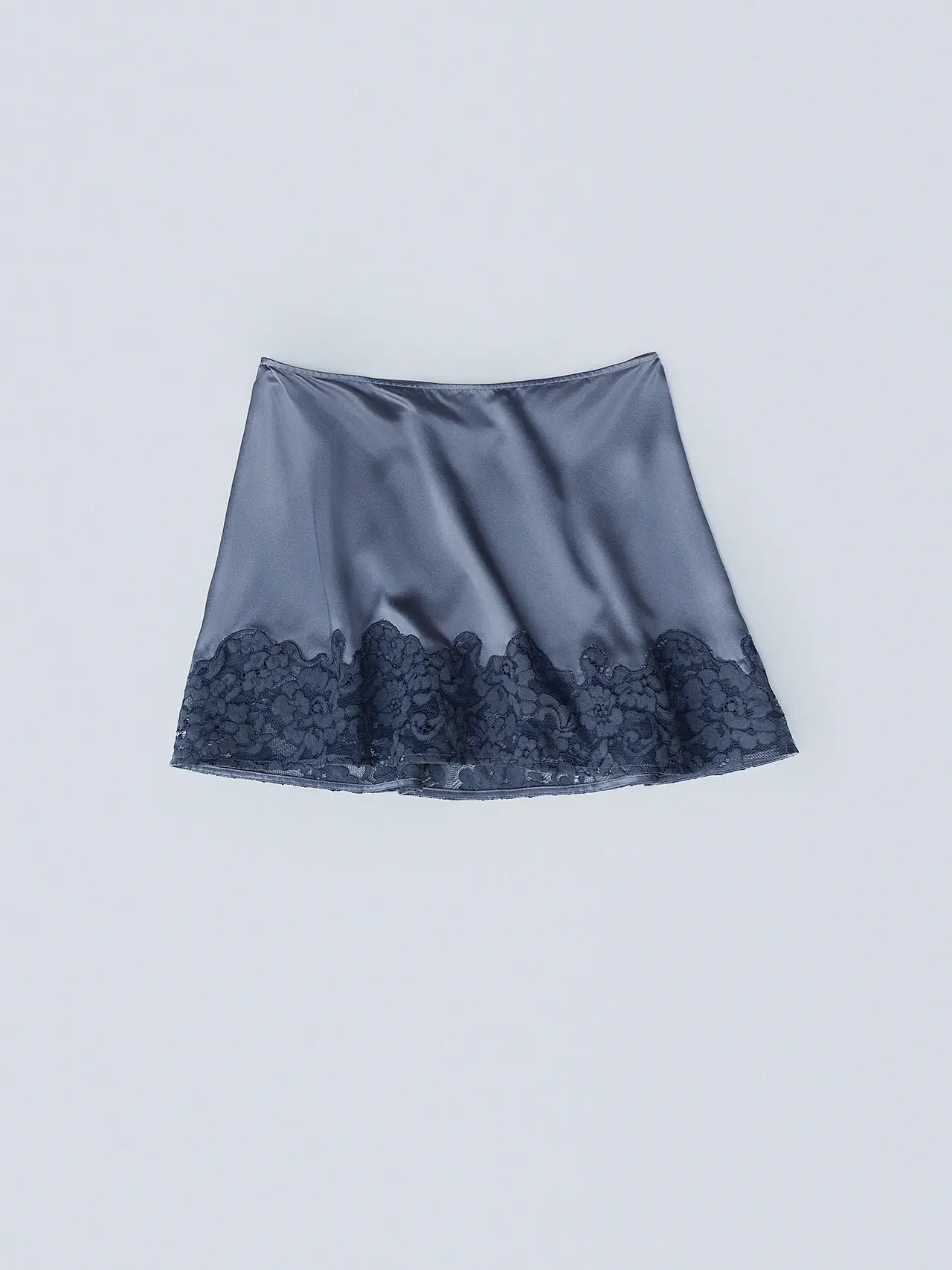

From left to right: 23rd August Infatuated Silk Maxi Dress; 23rd August Silk Mini Skirt in Blue; 23rd August Silk Mini Skirt in Ivory


From left to right: Sour Figs Sheer Lace Corset Velvet Mini-Dress in Crimson Red; Sour Figs Labrador Puppy T-Shirt; Sour Figs Medallion Button Cigarette Trousers
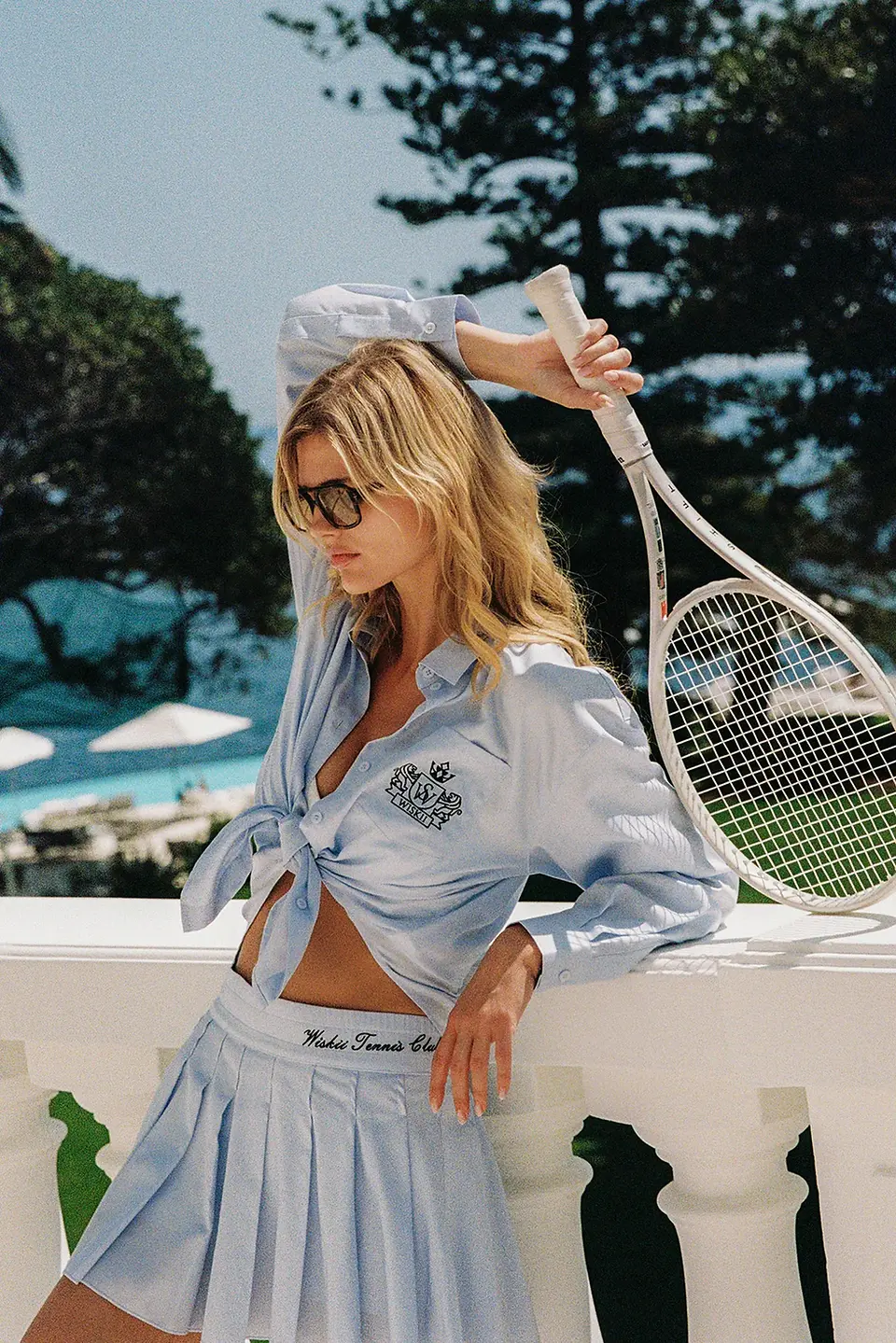

From left to right: WISKII Active Riviera Relaxed Cotton Shirt and Riviera Pleated Skirt; WISKII Active Future Playground Dress


Comments