


.png)
Capella Kyoto: A Modern Hotel That Taps Into the Past – Review

KYOTO
Capella Kyoto marks the hotel brand’s first property in Japan. It is located in the heart of Miyagawa-cho, one of the historic hanamachi (flower towns) or geisha districts, in Kyoto. Capella’s inaugural Japanese property is designed by Kengo Kuma, the world-renowned Japanese architect known for blending modern buildings with traditional Japanese aesthetics as well as his use of natural materials such as wood, bamboo, stone, and glass.
Images are courtesy of Capella Kyoto and Jianne Soriano

The Location and The Design
Capella Kyoto is built on the former site of Shinmichi Elementary School. It is part of a development project at Shimichi Street alongside the restored Miyagwa-cho Kaburenjo (traditional song and dance practice hall and theatre) and a new community centre. The three properties, which are all next to each other, are designed by Kengo Kuma & Associates.
The hotel is a reimagining of a machiya (townhouse) and showcases Kyoto’s existing spatial characteristics such as narrow alleys and gardens. Essentially, Capella Kyoto is an addition to the Miyagawa-cho community. Most tourists are familiar with Gion, but Miyagawa-cho offers a more relaxed atmosphere with its signature machiya architecture and the heart of traditional arts and entertainment. The hotel isn’t competing for space or attention; if anything, it sits quietly and blends in well next to the temples. Next to the hotel is the Kaburenjo, restored to its former glory. For generations, it served as the private training ground for the city’s geiko and maiko — something that can still be seen today, if you’re lucky to spot them.

The trademark of the neighbourhood is three interlocked rings, which symbolise unity between the shrine/temples, the people, and the teahouses. This idea of “community” and “rebuilding” is reflected in Capella Kyoto’s design, with traditional artworks extending the theme of connection without the use of nails, wooden signage from the old kaburenjo, and karahafu (camber bargeboard) design in the courtyard echoing that of traditional Japanese theatre design. Capella Kyoto features an inner courtyard, with the hotel designed in a square pattern just like a machiya, offering a contemporary reinterpretation of the traditional house design.
Other than that, Capella Kyoto is strategically positioned across celebrated landmarks such as Ebisu Shrine, Kiyomizu-dera, Yasaka Shrine, Minamiza Kabuki Theatre, Nishiki Market, Kamo River, and Gion district. I spent a lot of time walking around the neighbourhood, exploring different pathways, leading me in different directions or sometimes arriving back at where I started. This maze is an invitation for exploration and adventure, be it during the quiet morning hours, bustling daytime, or with the twilight hue in the background. But more than anything, it felt like literally taking a stroll down memory lane, even if it wasn’t a period or time I lived in. It was a rare glimpse of the past so effortlessly preserved, and that nostalgic atmosphere was even more present around Miyagawa-cho; with Capella Kyoto just next door, it served as an entry point to an unexpected adventure.

The Arrival and First Impressions
I arrived in the city after an intense 96 hours travelling around Northern Kyoto. The bus arrived late and dropped me off elsewhere. I panicked for a minute, thinking they might have left. But Masa-san’s welcoming smile reassured me. He led me to the car that was already waiting, and we drove for about 10 to 15 minutes to the hotel. The team was already by the entrance, welcomed me with a series of greetings and smiles, took my duffel bag, and walked me to the reception.
Upon entering the property, the sound of water instantly provided a refreshing comfort from the sweltering Kyoto heat. I was drawn into the warm colours of the interior, draped in a wood aesthetic with varying shades of brown, and the dim lighting, which contrasted with the brightness outside. In the reception, which they call the Living Room, the staff gave me a welcome drink and mochi to enjoy. The check-in process was smooth and easy, and I was able to take a breather at the spacious Living Room after the busy day I had just had.

The Rooms
I stayed at the 50-square-metre Premier King Room with Temple View, which, as the name suggests, has a view of the temple — the Kenninji Temple, to be exact. I would have preferred the Premier Theatre room, which has a view of the Miyagawa-cho Kaburenjo simply because I had just come from a temple stay in Northern Kyoto. That said, the view of Goo Shrine next door was stunning, and because the hotel is four stories, it felt like witnessing the happenings at street level. The street was relatively quiet, so it almost felt like you weren’t even in Kyoto city. With Kyoto being overcrowded with visitors, it was nice to enjoy a quiet part of the city.
The room itself was what I imagined — traditional aesthetic with modern-day additions. My favourite part was the bed. It wasn’t just any mattress, but it seemed like there was a layer of something — maybe a futon — underneath that made it extra smooth. I never knew that a mattress could feel like a snuggle, but it did. There was ample space for my things on the bedside table. I also appreciated the mini-sofa next to the door that made putting on my shoes easier.
The design used space in a way that made it feel big while keeping everything within reach. I’m not a big fan of unnecessary spaces just to make a room feel enormous, which meant taking too many steps to reach the bathroom or the dresser. For me, it’s all about smart design, and the room that I stayed in was compact but not suffocating.

Another feature that I loved was the bar space, filled with complimentary snacks and drinks. Welcome snacks were ready when I checked in. I had initially planned to grab a quick bite elsewhere or order room service since I had to skip lunch that day because of a packed schedule, but I was already full from the snacks they gave.
For the bathroom, the bathtub and shower were in one space, which made it easier. After a relaxing soak in the tub, I could just take three steps to rinse off. I was surprised by the choice to have Bamford amenities. While it featured organic botanical ingredients and aromatherapy essential oils, I thought a local brand would have matched better with the hotel’s DNA. Still, Bamford’s plant-based ingredients and soothing notes weren’t anything to complain about.
For a truly seamless experience, Capella Kyoto has its in-room dining and spa menu available on the large TV screen. The TV can connect to your phone, which I did on both nights I stayed there and watched my favourite YouTube videos before calling it a night. The shut-out and sheer curtains also did their job to the fullest, although I wish there was a function that allowed it to stop halfway instead of being either fully up or down. Furthermore, the bathroom lights were too dim even at maximum. I’d love to be able to see things more clearly.
In total, Capella Kyoto has 89 rooms, including 29 suites. There are six suites with private hot spring baths. The lone 206-square-metre Capella Suite is the only room that has tatami flooring and commands a full sweep of the Higashiyama skyline. Its elevation also provides the best vantage point to see geiko and maiko dressed for the evening as they make their way through the streets to the teahouses. Each room at Capella Kyoto is decked in soothing hues and intricate motifs that reflect Japan’s rich heritage.

The Dining
French brasserie Lantern offers all-day dining and breakfast. It also has a view of the courtyard, with both indoor and outdoor seating. The restaurant reimagines Parisian cafe culture through Kyoto’s craftsmanship — think marble, herringbone floors, and pale wood in the design. Breakfast is served buffet-style with a range of options. The heartier dishes are made to order, such as omelette or French toast, with Japanese dishes also available. I went for breakfast at 8:30 am and was, surprisingly, the only one there. It felt like a solo dining experience, with the staff even generously folding the table napkin and pulling out the chair for me every time.
There’s also the signature restaurant, SoNoMa by SingleThread, inspired by the concept of the three Michelin-starred SingleThread in California. It offers an intimate 12-seat counter and 20-seat lounge bar in the style of a traditional teahouse (called ochaya). Chef Keita Tominaga helms the kitchen and uses Kansai’s seasonal agriculture and California’s Dry Creek Valley to craft the menu. Meanwhile, SingleThread Entremets is a patisserie programme by pastry chef Emma Horowitz and chef Miu Morita, offering seasonal confections.
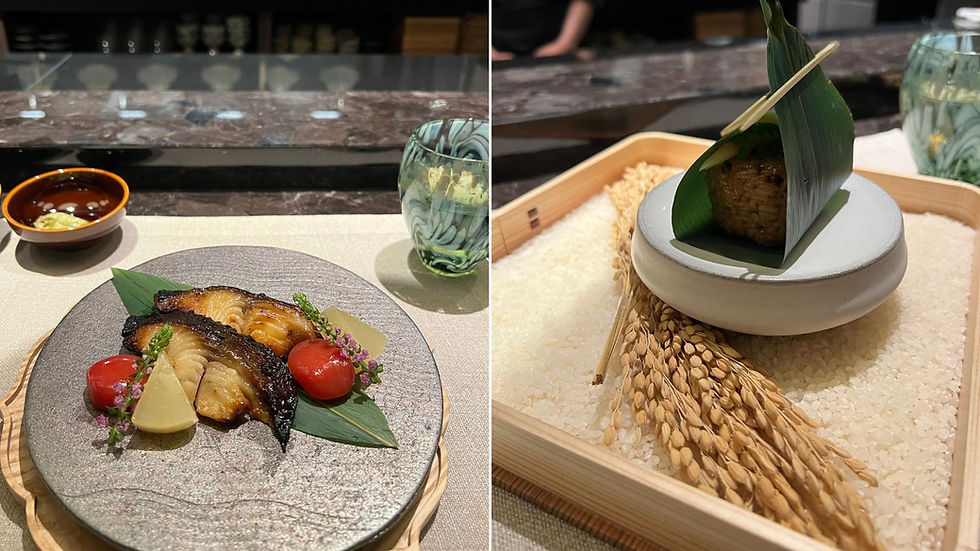
Yoi is the hotel’s night bar and restaurant offering kappo cuisine (multi-course, chef-driven dining style where you sit at a counter and watch the chef prep and cook the dishes) with a modern twist. The concept and vibe reflect Kyoto’s after-hours scene. Here, chefs prepare and present the dishes before your eyes. When I ate here, I was one of the only two guests. So, it felt like a private cooking performance was happening in front of me. The dishes were similar to izakaya-type snacks but with a modern touch. The space honours the community through reclaimed timber and lighting fixtures from the former elementary school that the hotel now sits in.
The Facilities and The Experiences
Like other Capella hotels, the Kyoto branch has no shortage of unique experiences. Its signature Capella Rituals are daily on-property programmes. During my stay, there were shakuhachi (traditional Japanese bamboo flute) and shamisen (traditional three-stringed Japanese lute) performances in the afternoon. These were happening alongside the cocktail hour in the Living Room, complete with snacks and refreshments.
There’s also the popular Capella Curates, a set of tailored cultural programmes and tours. Examples include a kintsugi workshop led by a lacquerware master or an inside look into a geta (Japanese wooden sandals) craftsman’s workshop with a chance to commission a bespoke pair. But the most sought-after experience is a private teahouse encounter to get up close with a maiko.

During my stay, various Capella Moment activities were also taking place, such as a karate exercise in the morning, an omamori-making (Japanese amulet) workshop at noon, and a sake tasting experience. I didn’t get to participate in any of them (karate due to health reasons, omamori-making due to a conflict in my schedule, and sake tasting as I don’t drink alcohol), but such activities are available for those who want to try them. They also change daily, so the same activity is never available on the same day or week.
What I did get to experience was the private hot spring at Auriga Spa. It has four treatment rooms, each designed for a personalised wellness journey. The treatments draw from both Japanese tradition and contemporary wellness practice. My onsen experience was relaxing, especially after a tiring day of travelling. You can adjust the temperature, lighting, mood, and background music. After a rejuvenating soak, put on a yukata and relax by the sofa in the same room. The spa takes privacy to the next level, even with tattoos.

Capella Kyoto also has 24-hour gym access and 24-hour in-room dining. For my second night, I opted for the in-room dining and ordered a Wagyu Sando. To my surprise, it came with fries, as well as a cold glass of water, salt and pepper, and sauces. It was a complete dining experience in the comfort of my room and in my pyjamas to match.
My favourite part was the evening turndown service; it was when the service really stood out for me. They put a stepping pillow next to the bed, even though there was already a carpet. Most importantly, they left warm bottles of dashi (different on both nights) to help with my sleep. Drinking them felt like a warm hug, and I didn’t even have to take my sleeping gummies on those nights.

Capella Kyoto: The Verdict
Capella Kyoto is what one can expect from the Capella brand, amplified by Japanese hospitality, aesthetic, and design. It is a place that takes everything seriously, from the service to the design and the food, for your comfort. They pay attention to detail, like when I left my charging cords lying about, and they neatly wrapped them up with a strap, not silicone or a rubber tie, but a traditional handmade one.
Beyond its walls, there’s a deeper story to be told that somehow stays with you. The hotel itself is one thing, but the experience extends far more into the streets and teahouses next door. Comfort here isn’t a novelty but a ritual. There is always something to look forward to, whether it is the staff’s daily greeting or what dashi flavour they’ll give me at night. After an intense 2.5 weeks of travelling, I could finally relax: less tension in the muscles, a clearer head, and energised for the next leg of my journey.
At times, it felt a little too quiet, and the atmosphere was too still, especially when there wasn’t anything happening. That said, the hotel is for everyone—couples, families, friends, solo travellers, and business travellers. It doesn’t really matter because the experience will be the same. A stay at Capella Kyoto isn’t just capping a night somewhere; it leaves you wanting to come back.
Address: 130 Komatsucho, Higashiyama Ward, Kyoto, 605-0811, Japan | Website: capellahotels.com/en/capella-kyoto | Email: info.kyoto@capellahotels.com | Phone: +81 75 541 8877 | Instagram: @capellakyoto
Disclaimer: The writer was invited by Capella Kyoto to experience the property. All observations, assessments, and opinions expressed are based on the writer’s independent experience and professional judgement.


Comments